Serious Incident Notification
An MTA apprentice was recently involved in a serious incident where a Class 3 chemical (flammable liquid) used to clean a hydraulic oil spill on the floor reacted with a vacuum cleaner (introduced ignition source), causing a small explosion. The explosion resulted in burns to the apprentice’s face and hair as well as short-term damage to hearing.
This incident reinforces the importance of ensuring that risks associated with hazardous and dangerous chemicals in the workplace are effectively managed. Under the WHS Act, a PCBU has the primary duty to ensure, so far as is reasonably practicable, that the health and safety of workers and other persons are not put at risk from work carried out as part of the conduct of the business or undertaking. This includes ensuring the safe use, handling and storage of substances. Workers also have a duty to take reasonable care for their own health and safety at the workplace, comply with reasonable instructions, as far as they are reasonably able, and cooperate with reasonable health and safety policies or procedures that have been notified to workers. If personal protective equipment (PPE) is provided by the business or undertaking, the worker must so far as they are reasonably able, use or wear it in accordance with the information and instruction and training provided.
The WHS Regulations include a number of specific duties for a PCBU to manage the risks to health and safety associated with using, handling, generating and storing hazardous chemicals at a workplace. The duties include:
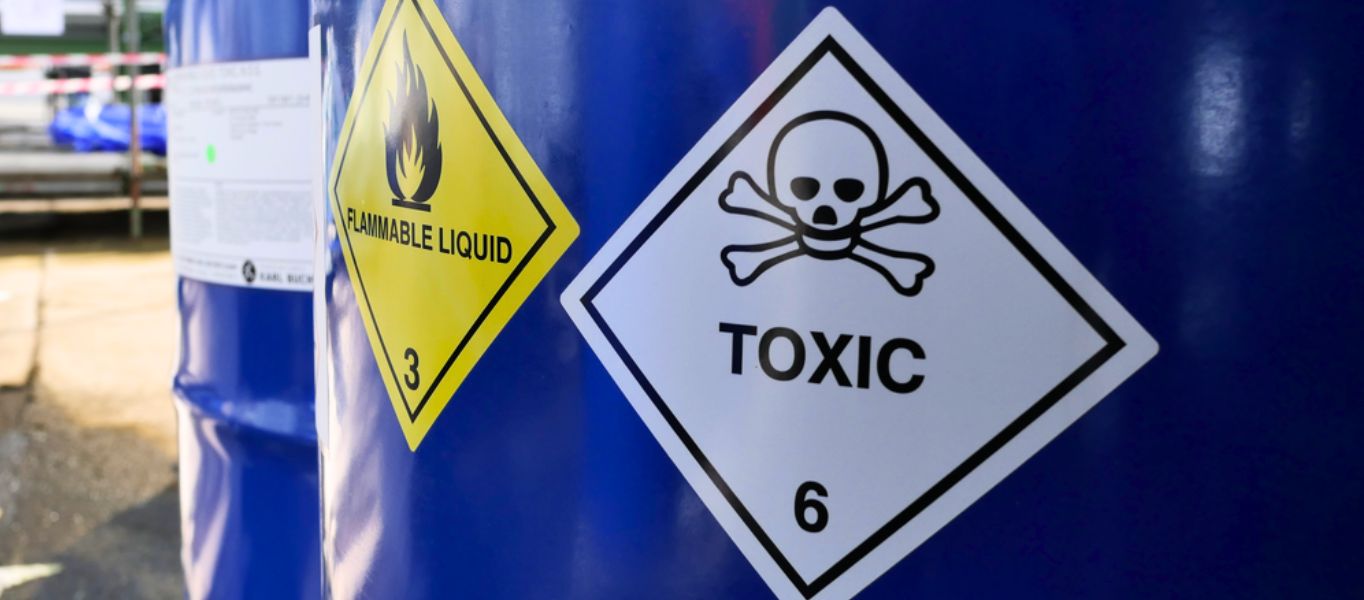
- correct labelling of containers and pipework, using warning placards and outer warning placards and displaying of safety signs
- maintaining a register and manifest (where relevant) of hazardous chemicals and providing notification to the regulator of manifest quantities if required
- identifying risk of physical or chemical reaction of hazardous chemicals and ensuring the stability of hazardous chemicals
- ensuring that exposure standards are not exceeded
- provision of health monitoring to workers
- provision of information, training, instruction and supervision to workers
- provision of spill containment system for hazardous chemicals if necessary
- obtaining the current safety data sheet (SDS) from the manufacturer, importer or supplier of the chemical and making the SDS readily available to workers
- controlling ignition sources and accumulation of flammable and combustible substances
- provision and availability of fire protection, firefighting equipment, emergency equipment and safety equipment
- preparing an emergency plan, and if the quantity of a class of hazardous chemicals at a workplace exceeds the manifest quantity for that hazardous chemical, providing a copy of the emergency plan to the primary service organisation .
There are two broad types of hazards associated with hazardous chemicals that may present an immediate or long-term injury or illness to people. These are:
Health hazards—These are properties of a chemical that cause adverse health effects. Exposure usually occurs through inhalation, skin contact or ingestion. Adverse health effects can be acute (short term) or chronic (long term). Typical acute health effects include headaches, nausea or vomiting and skin corrosion, while chronic health effects include asthma, dermatitis, nerve damage or cancer. Examples of chemicals with health hazards include toxic chemicals (poisons), carcinogens (cancer-causing chemicals) and reproductive toxins (chemicals that may cause infertility or birth defects).
Physical hazards—These are properties of a chemical that can result in immediate injury to people or damage to property. They arise through inappropriate handling or use and can often result in injury to people and/or damage to property as a result of the intrinsic physical hazard. Examples of physical hazards include flammable, corrosive, explosive, chemically-reactive and oxidising chemicals. Many chemicals have properties that make them both health and physical hazards.
Labelling and Safety Data Sheets (SDS)
It’s important to note that not all information about the hazards of a chemical or instructions for safe storage, handling and use may be provided on labels of chemicals. In most cases, the SDS will contain much more information about a hazardous chemical than appears on the label. An SDS provides critical information about hazardous chemicals such as:
- the chemical’s identity and ingredients
- health and physical hazards
- safe handling and storage procedures, including segregation requirements for different chemical classes
- emergency procedures, and
- disposal considerations.
People handling, using and storing chemicals must review current SDS prior to introducing new chemicals to the workplace or using existing chemicals to assist with implementation and maintaining safe work practices. Where unsafe chemical management practices are observed in the workplace, they should be immediately reported to your Supervisor for rectification.
Refer to Code of Practice – Managing risks of hazardous chemicals in the workplace for further information.